
LESSONS
LESSON 6
SHAKE DANCER – LOCKWOOD STYLE
Lessons Overview → Lesson 1 → Lesson 2 → Lesson 3 → Lesson 4 → Lesson 5 → Lesson 6 → Lesson 7 → Lesson 8
This lesson is part of the Early Electric Blues Guitar Lesson Series.
For best results, complete all nine lessons in order. Each lesson builds directly on the previous one.

Lesson 6: Expanding the Rhythm and Lead Vocabulary
Bring rhythm and lead playing together by expanding the musical vocabulary developed throughout the series. Learn how to move naturally between accompaniment and lead ideas, creating expressive solos and fills that remain rooted in strong rhythm, tasteful phrasing, and the authentic sound of Early Electric Blues (1937–1953).
19:14 • Opens on YouTube
OVERVIEW
Lesson 6 brings together the rhythmic, harmonic, and melodic concepts developed throughout the first five lessons by applying them to a complete study of "Shake Dancer," one of the finest examples of Robert Lockwood Jr.'s guitar work accompanying Little Walter.
Rather than studying isolated techniques, you'll work through the performance chorus by chorus, learning how the guitar supports the harmonica, reinforces the groove, creates movement, and maintains structure without becoming intrusive. The result is an accompaniment style that is understated, expressive, and firmly rooted in the traditions of Early Electric Blues.
WHAT YOU'LL LEARN
You'll examine each chorus individually, learning how recurring ideas develop naturally throughout the performance while maintaining a consistent rhythmic foundation.
Along the way, you'll explore chord movement, double-stops, partial chords, connecting phrases, recurring turnarounds, and the subtle variations that keep a performance interesting without sacrificing its overall feel. More importantly, you'll learn why these ideas work together, allowing the guitar to support the harmonica while holding the entire performance together.
By studying a complete performance from beginning to end, you'll begin thinking less about individual licks and more about accompaniment as an ongoing musical conversation.
LESSON CHAPTERS
For easier navigation, these timestamps are also included as clickable chapter links in the YouTube video description.
...
00:00 — 6.0 Demo & Intro
03:50 — 6.1 First 12 Bars
05:40 — 6.2 Turnaround
06:33 — 6.3 Descending Double-Stops
07:32 — 6.4 First 12 Bars Demo
08:13 — 6.5 Second 12 Bars, Part 1
09:12 — 6.6 Second 12 Bars, Part 2
11:04 — 6.7 Third 12 Bars
12:22 — 6.8 Third 12 Bars Demo
12:53 — 6.9 Fourth 12 Bars, Part 1
13:58 — 6.10 Fourth 12 Bars, Part 2
15:12 — 6.11 Fifth Chorus
15:41 — 6.12 Sixth Chorus
17:10 — 6.13 Sixth Chorus Demo
17:38 — 6.14 Ending
...
KEY TAKEAWAYS
Great accompaniment is built on consistency, structure, and restraint rather than constant variation. Each phrase should support the song while leaving space for the harmonica and vocals to remain the primary focus.
Studying a complete performance reveals how musical ideas develop over time. Rather than viewing individual licks in isolation, you'll begin to recognize recurring phrases, turnarounds, and rhythmic movement that create a cohesive musical statement.
Perhaps most importantly, this lesson demonstrates that the guitar's greatest contribution often comes through thoughtful accompaniment. Supporting the ensemble with strong timing, tasteful movement, and dynamic control creates performances that feel relaxed, conversational, and complete.
CONTINUE THE SERIES
Lesson 7 expands these ideas into a complete vocal performance, demonstrating how accompaniment, fills, and expressive phrasing work together to support both the singer and the song. Building on the foundation established throughout the series, you'll continue refining your sense of timing, dynamics, and musical conversation within the Early Electric Blues tradition.
Questions?
If something in this lesson isn't clear, feel free to leave a comment on YouTube or reach out through the contact page.
Next Lesson → Lesson 7
Hear These Ideas in Context
Many of the techniques covered throughout the lesson series can be heard on my recordings.
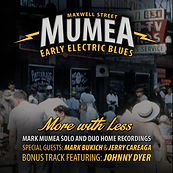


Explore recordings available through Devil's Tale Music.
For over two decades I've independently released recordings dedicated to preserving and celebrating traditional blues through Devil's Tale Music.